London might have a reputation for being pricey, but some of its best experiences are completely free. From world-class museums to skyline views and neighbourhood strolls, you can fill days here without spending a pound on attractions.
1. World-Class Museums
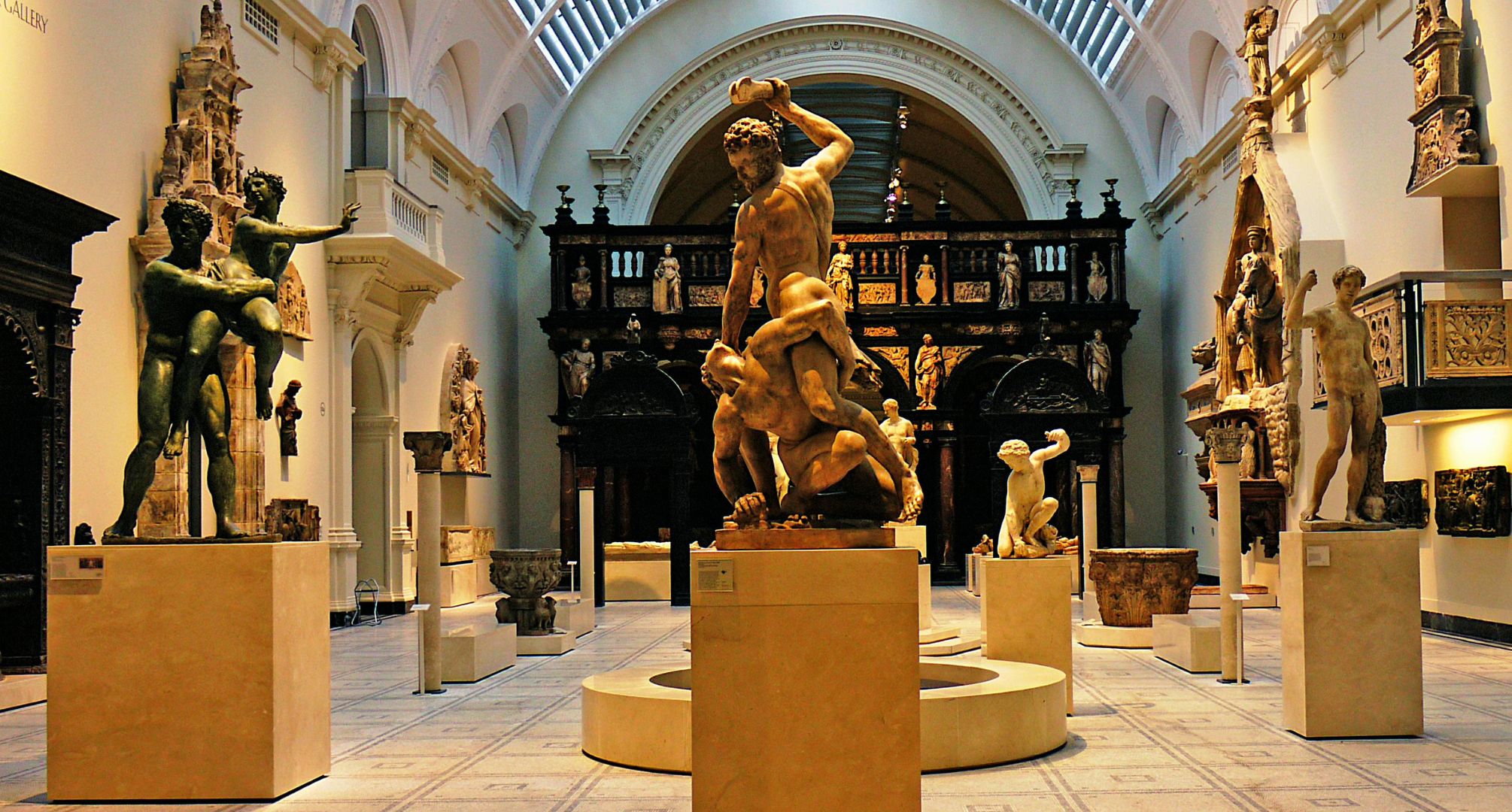
London’s museum scene is one of the strongest in the world, and the best part is that many of the biggest names are completely free.
The British Museum is the obvious starting point - an enormous collection of world history, from the Rosetta Stone to Ancient Egyptian artefacts. A short walk away, the National Gallery in Trafalgar Square offers masterpieces by Van Gogh, Turner, and Da Vinci in a setting that feels almost overwhelming in the best way.
For something more modern and design-focused, the Victoria and Albert Museum (V&A) is a must. It covers fashion, interiors, sculpture, and creativity across centuries. Nearby, the Natural History Museum offers a completely different experience - dinosaurs, gemstones, and that iconic cathedral-like hall that feels almost theatrical.
Two smaller but unforgettable places add real character to the mix. The Wallace Collection, tucked inside a historic townhouse in Marylebone, feels like stepping into a private aristocratic treasure chest of paintings, armour, and furniture. And then there’s the Sir John Soane’s Museum, one of London’s most unusual spaces - an eccentric, atmospheric home filled with art, sculptures, and curiosities preserved almost exactly as its owner left them.
The beauty of London’s museums is that you don’t need to rush or “do them all”. You can simply step inside when you’re nearby, explore for as long as you feel like, and leave feeling like you’ve travelled through time.
2. Viewpoints and Rooftop City Views
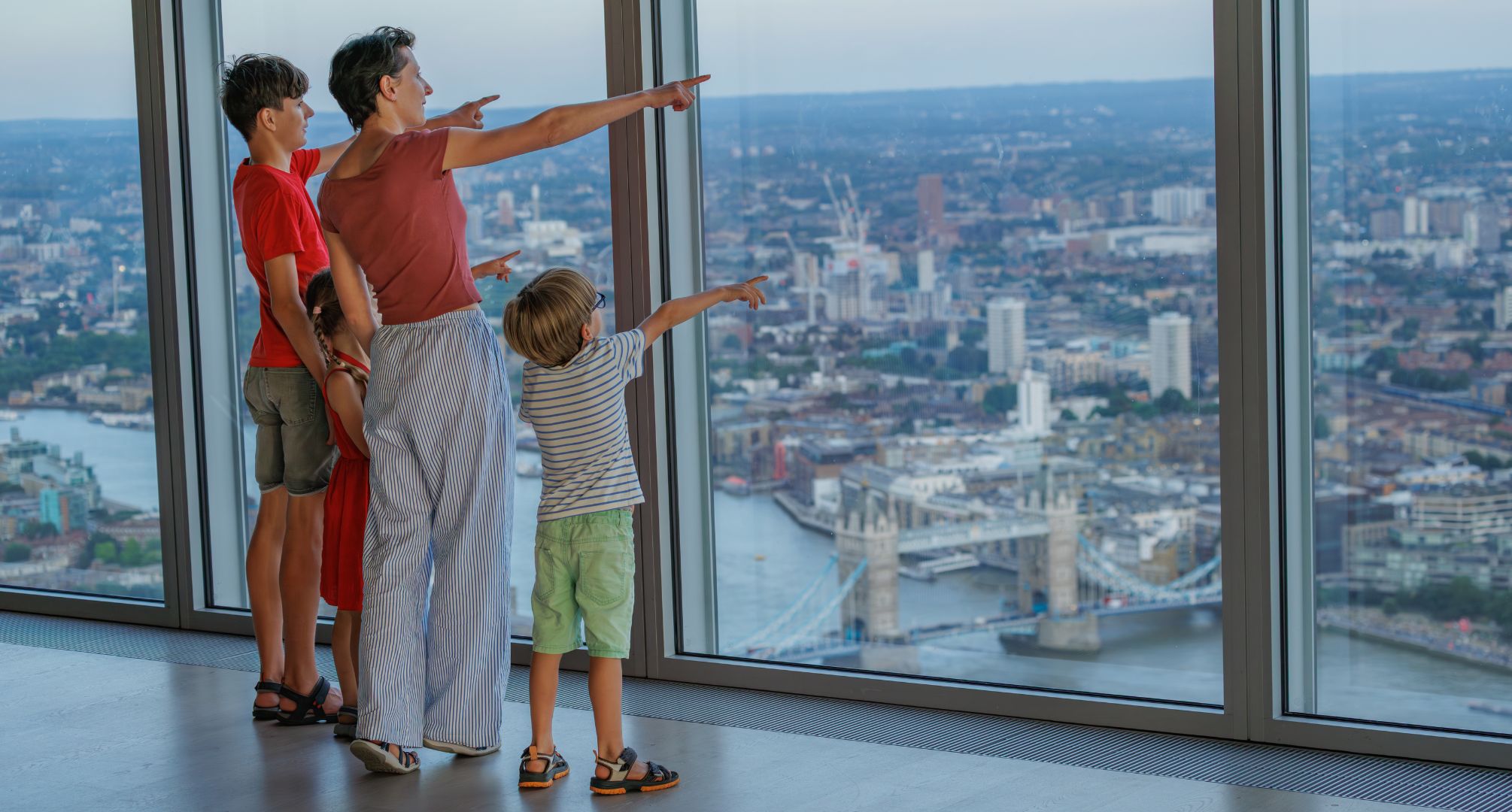
London’s skyline isn’t dominated by one famous tower like other cities - instead, you get a mix of modern glass buildings and historic landmarks. Several of the best viewpoints are free.
Sky Garden is the most famous: a lush indoor jungle sitting at the top of the Walkie Talkie building, with panoramic views over the Thames and the Shard. A bit less busy but equally impressive is Horizon 22, one of the highest free viewing platforms in the city.
For a quieter experience, Garden at 120 offers a beautifully designed rooftop garden with 360-degree views and far fewer crowds. If you want a more classic angle, head to One New Change, where you can see St Paul’s Cathedral framed perfectly just across the street.
These spots show a different side of London - modern, vertical, and surprisingly green in the sky.
3. Neighbourhood Wandering (especially during blossom season)
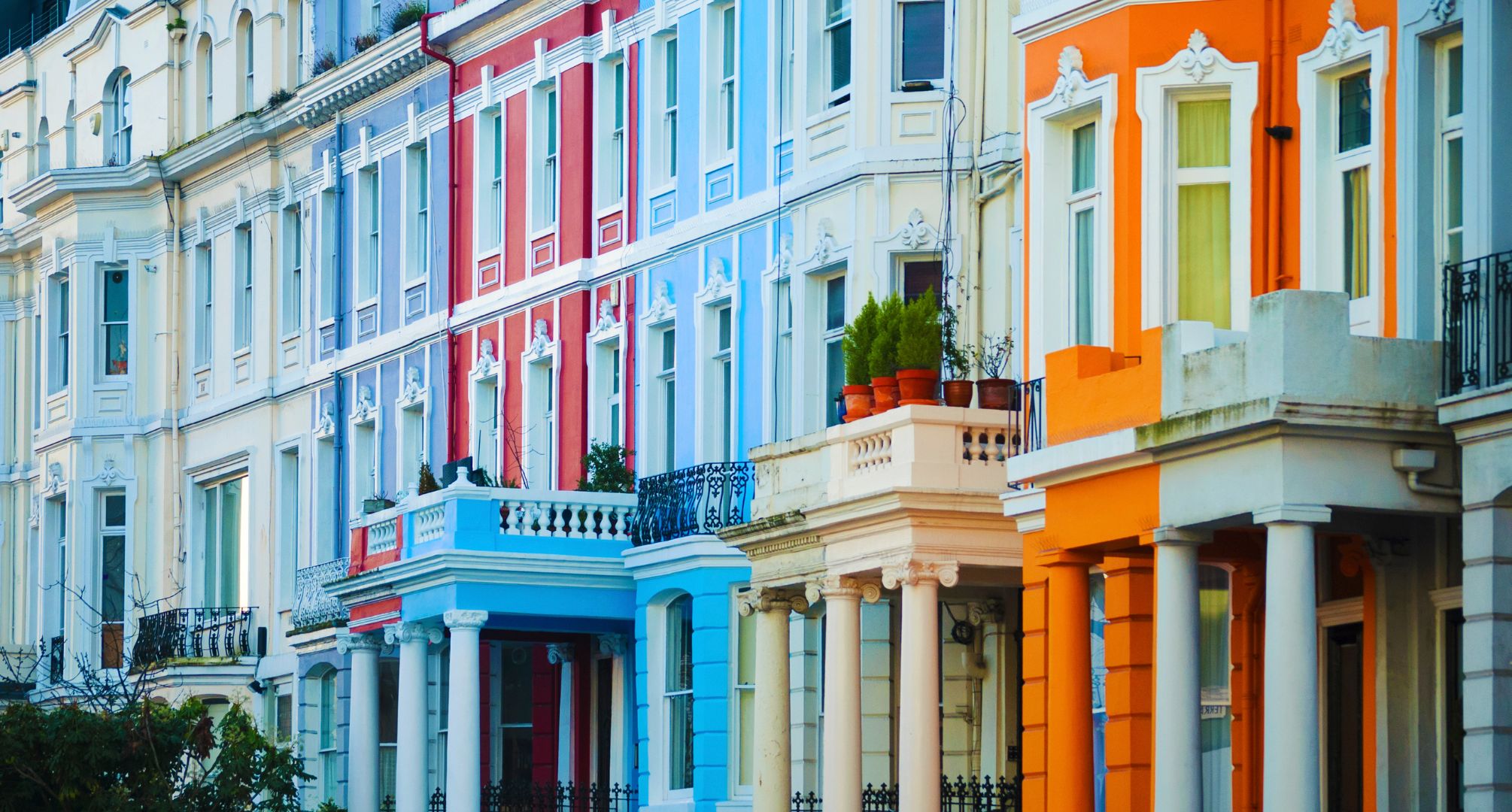
One of the best free experiences in London is simply walking. The city is made up of distinct neighbourhoods, each with its own personality.
Notting Hill is the most famous for a reason: pastel-coloured houses, quiet streets, and an almost cinematic feel, especially during magnolia and cherry blossom season in spring. Nearby streets like Lancaster Road are particularly photogenic.
In Chelsea and Kensington, the vibe shifts to elegant townhouses, flower-filled railings, and quiet luxury. It’s a place where wandering slowly really pays off, especially when the trees bloom.
The key here is respect - these are real residential streets, not film sets. The magic comes from observing quietly rather than treating it like a photo shoot.
On the other side of the spectrum, Canary Wharf brings a completely different feel - sleek skyscrapers, water reflections, and the striking contrast of the Overground trains weaving through glass towers.
The charm lies in contrast: old London, modern London, and everything in between.
4. Parks and Hidden Green Spaces
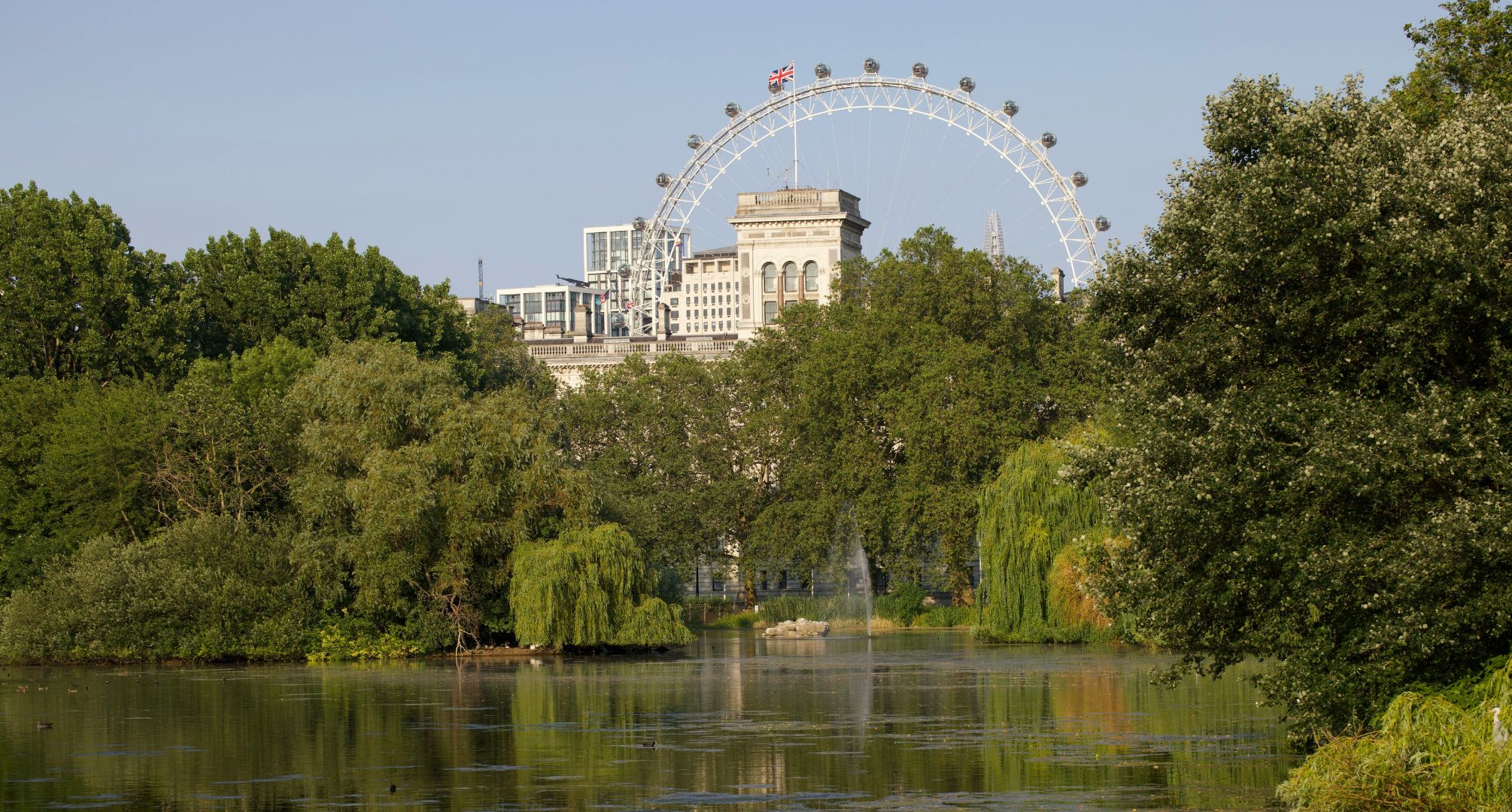
London is one of the greenest major cities in the world, and its parks are a huge part of everyday life.
Hyde Park and Kensington Gardens are the big classics, with lakes, statues, open lawns, and endless walking paths. They’re perfect for long, slow afternoons.
For something more intimate, Holland Park is a gem. Its highlight is the Kyoto Garden, a peaceful Japanese-style garden with waterfalls, koi ponds, and carefully designed landscaping that changes beautifully with the seasons.
These spaces aren’t just “breaks from the city” - they are part of London’s identity, where locals actually live their lives.
5. Extra Free Experiences Around the City
Beyond the obvious sights, London rewards curiosity. Walking the South Bank is one of the best free experiences in the city, with constant river views, street performers, and landmarks like the London Eye and St Paul’s.
The Millennium Bridge offers one of the best skyline crossings, especially at sunset, while the Tate Modern’s Turbine Hall delivers huge-scale contemporary art without an entry fee.
For something more unusual, the House of MinaLima near Soho feels like stepping into a graphic design fairytale, filled with illustrated Harry Potter artwork and intricate prints.
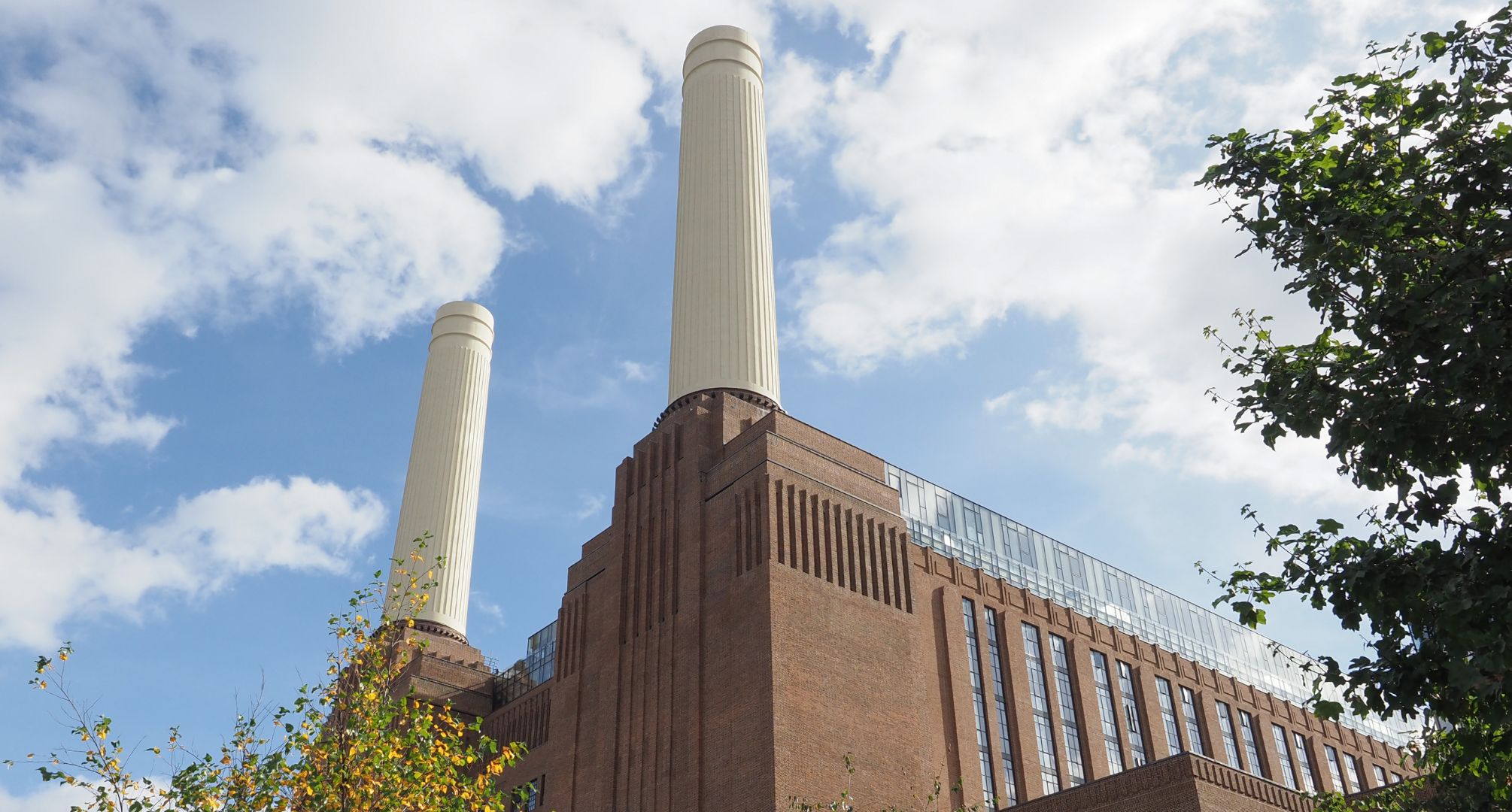
And then there’s Battersea Power Station, recently transformed into a vibrant riverside hub - still free to explore, with impressive architecture and a strong sense of industrial history meeting modern London.
London doesn’t need to be expensive to feel unforgettable. The city is built for walking, looking up, and discovering things in between the famous landmarks.
Frequently Asked Questions about London
1. Is it really possible to explore London on a budget?
Yes - surprisingly easy. Many of London’s top museums, parks, viewpoints, and walking routes are completely free. If you focus on free attractions and use walking or public transport strategically, you can have a full, rich experience of the city without spending much at all.
2. How expensive is it to enjoy London if you stick to free attractions?
If you plan well, your main costs will just be transport and food. Attractions like museums, galleries, parks, and many viewpoints cost nothing. You could comfortably spend a full day exploring for free and only pay for a coffee or snack along the way.
3. Why does London have so many free museums and attractions?
A lot of London’s major museums are publicly funded and operate on the principle of free access to culture. The idea is to make national heritage, education, and art available to everyone, not just tourists or people who can afford tickets. Donations are encouraged, but entry is kept free.
4. What are the best free viewpoints in London?
Some of the best include Sky Garden, Horizon 22, Garden at 120, and One New Change with views of St Paul’s Cathedral. Each offers a different angle of the city, from modern skyscrapers to historic landmarks and river views.
5. What’s the best way to experience London like a local for free?
Walking is key. Exploring neighbourhoods like Notting Hill, Chelsea, Canary Wharf, and the South Bank gives you a real sense of the city’s contrast. Pair that with parks like Hyde Park or Holland Park’s Kyoto Garden, and you’ll see how Londoners actually live and relax.